

When Scent Becomes a Weapon - Who Controls the Air You Breathe
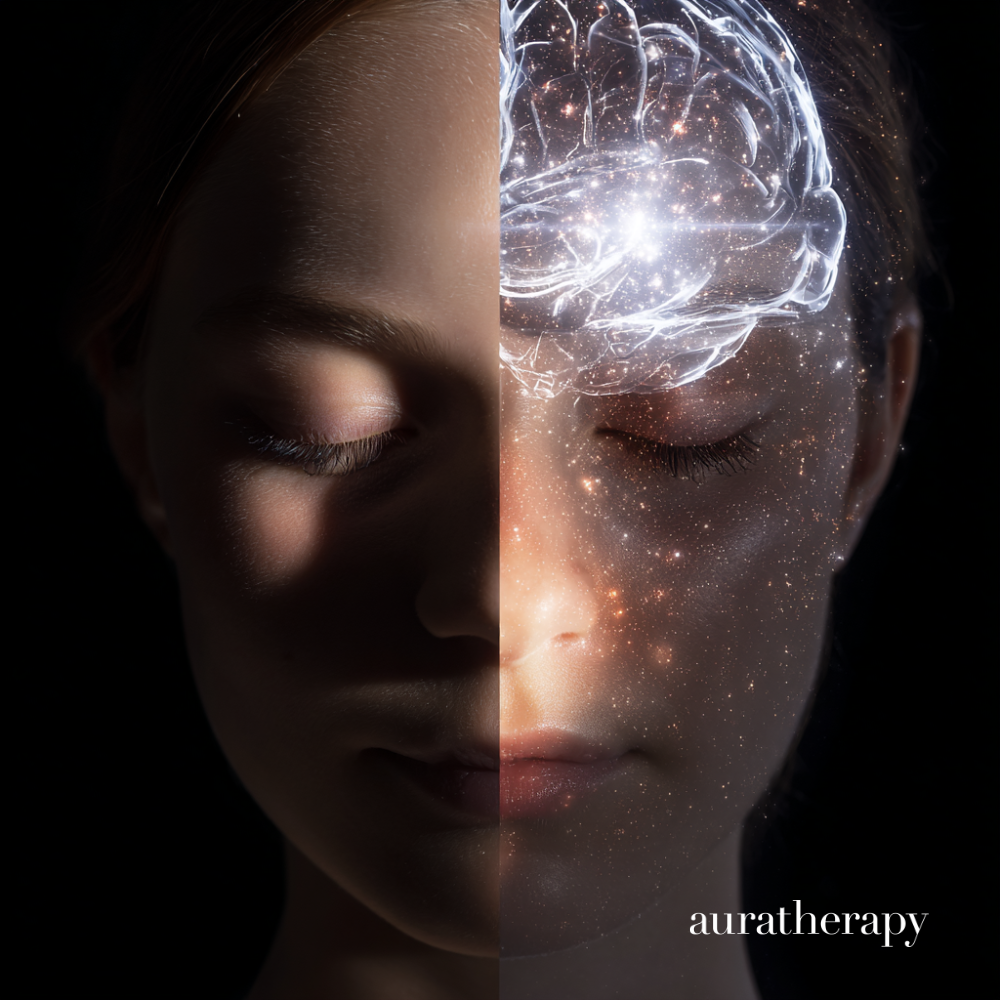
If scent truly affects mood, focus, stress, and physiology — as neuroscience now confirms — then we need to confront an uncomfortable reality: the same science that can support human well-being can also be used to manipulate it. Once scent moves beyond decoration and into function, it becomes power. And power, when deployed without transparency or consent, becomes unethical.
As established in A Letter on Fragrance Without Consent and Consent-Based Scent — Why I Started Asking Who Decides What We Breathe, fragrance is not neutral. It interacts directly with the nervous system. It shapes emotional state and physiological response. That alone demands responsibility. But the modern fragrance industry has gone further — isolating and amplifying specific molecules to reliably trigger perception, often without delivering any broader biological support.
Mood Manipulation vs. Mood Support: The Illusion of “Same Effect”
Yes, synthetic fragrance molecules can influence mood. They activate olfactory receptors. They trigger neurological responses. They can make you feel calm, energized, nostalgic, or alert. But the brain reacting does not mean the body is being supported. Synthetic fragrance often works by isolating a single dominant aroma molecule and amplifying it to provoke a neurological signal. The brain recognizes the cue. The body, however, receives no meaningful biological conversation.
Real botanical extracts are different. They are not single signals. They are complex biological systems.
Real Oils vs. Synthetic Imitations: What’s Actually Happening
Lemon
Real lemon oil contains dozens of active compounds that work together — supporting mood while also engaging detox pathways and demonstrating antimicrobial and antioxidant activity. Synthetic lemon fragrance is often dominated by isolated limonene or citral. The brain feels uplifted. The body gains nothing.
Lavender
True lavender oil contains multiple compounds that act together to regulate the nervous system and support sleep and stress response. Synthetic lavender often relies on one or two aroma chemicals that mimic calm without delivering regulation. Calm is simulated, not supported.
Rose
True rose oil is one of the most chemically complex natural substances on earth and has been linked to emotional regulation and parasympathetic activation. Synthetic rose is built from linear aroma chemicals designed to “read” as rose — emotional association without biological depth. Romance without repair.
Cinnamon
Natural cinnamon oil contains cinnamaldehyde alongside secondary compounds that influence circulation, metabolism, and immune response. Synthetic cinnamon delivers sensory heat without systemic engagement. Stimulation without substance.
Synthetic fragrance can mimic the message, but it cannot deliver the full biological conversation. The mood may shift. The body remains untouched — or worse, stressed.
The Molecule Illusion
Plants evolved aromatic compounds to communicate with the nervous system, interact with the immune system, regulate stress, and protect against environmental threats. Industrial fragrance chemistry prioritizes isolation, simplification, scalability, and cost efficiency. What is lost is biological intelligence — and that loss is paid for by the consumer.
Who Owns the Fragrance Industry
The global fragrance ingredient industry is controlled by a small group of multinational suppliers, many with roots in petrochemical, agricultural chemical, and industrial conglomerates. These companies manufacture solvents, plastics, agricultural chemicals, pharmaceuticals, and food additives alongside fragrance ingredients. Aroma molecules are simply another vertical. This is not a conspiracy. It is corporate structure. But it raises a critical question: if fragrance ingredients come from the same supply chains as plastics and chemicals, whose interests are being served?
The Accountability Gap
Ingredient manufacturers design molecules. Perfumers select for performance. Brands market emotional outcomes. Spaces deploy scent at scale. When harm or dysregulation occurs, responsibility shifts back onto the individual. You’re sensitive. You’re overreacting. You should leave the room. That is not how ethical systems function.
If fragrance now claims functional effects — calming, energizing, mood-supporting — responsibility must extend from molecule design to moment of exposure. The consumer cannot be the only one bearing the cost.
Why This Matters
As functional fragrance becomes normalized, the stakes increase. Mood regulation, focus enhancement, emotional influence, and ambient behavioral design are no longer speculative. Without transparency, scent stops being wellness and starts becoming ownership of the air. You can close an app. You can mute an ad. You cannot opt out of breathing.
Consent-based scent is not optional. It is not anti-fragrance. It is pro-agency. Ethical scent requires disclosure, biologically compatible ingredients, and respect for the nervous system. Influence without consent is power without responsibility.
Breath is our most intimate interface with the world. If scent can shape how we feel, then how it is used — and whether we have a choice — matters.
About the Author
Laura McCann is the CEO and Founder of Auratherapy. After experiencing firsthand the effects of fragrance without consent, she began exploring scent as a tool for nervous system regulation, emotional awareness, and well-being. Her work bridges lived experience, neuroscience, and aromatic tradition, advocating for transparency and ethics in how fragrance is created, marketed, and deployed. She writes to support informed choice, bodily autonomy, and respect for breath as a biological boundary.