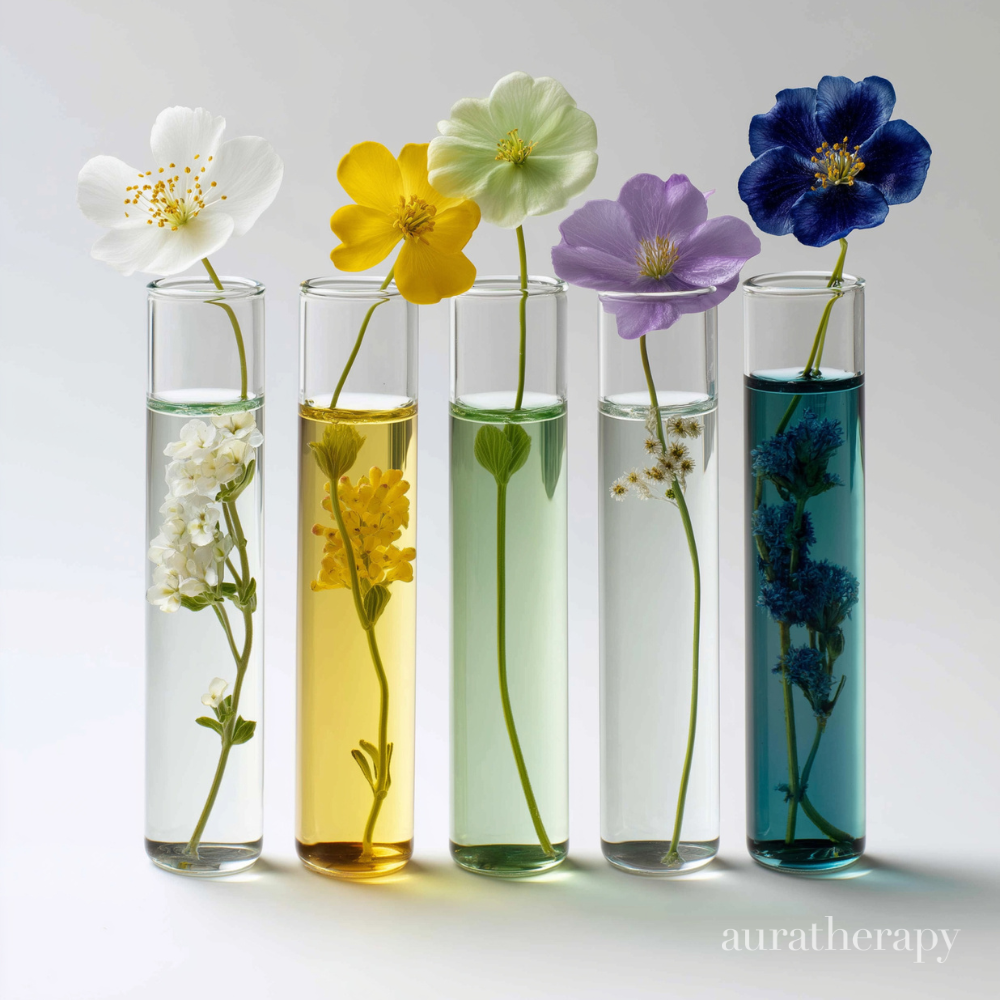




Your Brain on Scent: A 7-Day Smell Training Ritual for Memory, Mood and Neuroplasticity
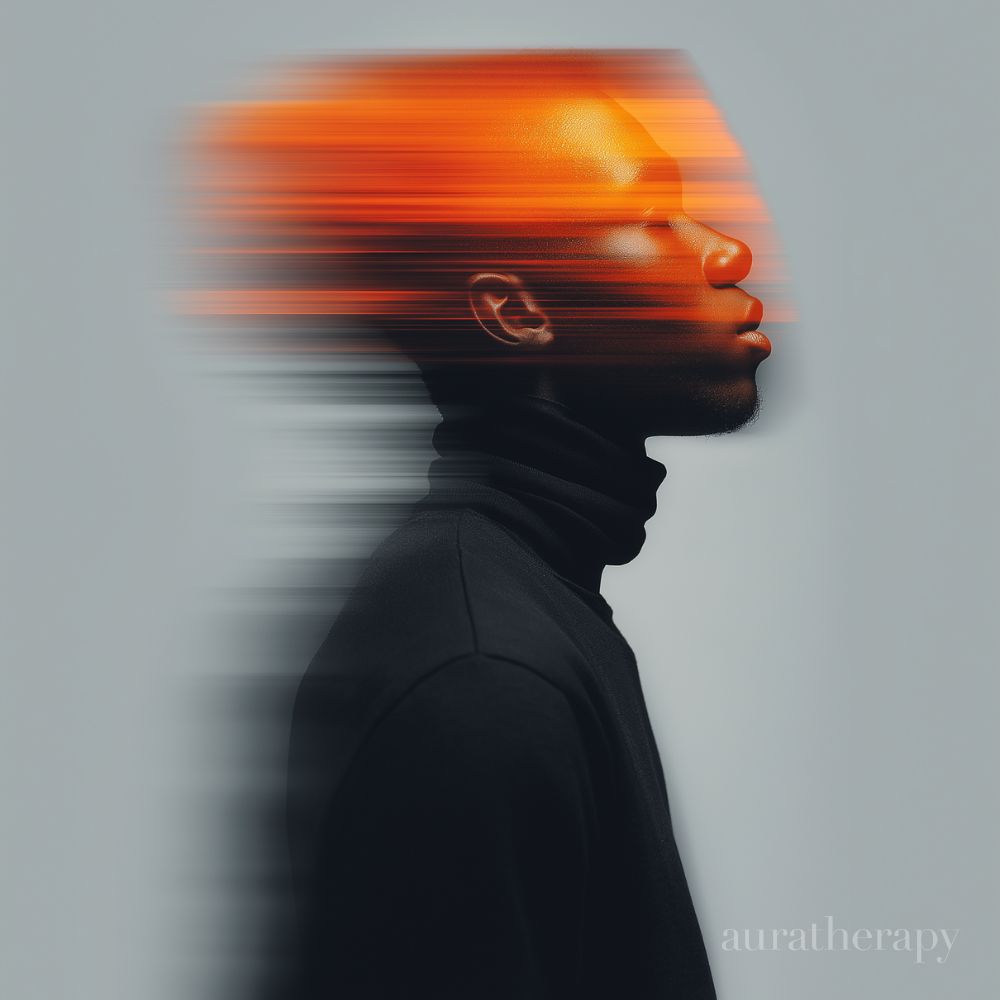
Your brain doesn't need another puzzle app — it needs the full sensory spectrum of being alive.
Smell is the most underestimated tool in wellness.
Not because it's trendy. Not because it's "nice." But because it's neurologically intimate in a way nothing else is.
Unlike every other sense, smell bypasses the thalamus — the brain's central relay station — and travels a direct route into the limbic system: the seat of memory, emotion, and the autonomic nervous system. That's why a single scent can pull you into a moment from twenty years ago with more precision than any photograph. It's why certain smells can calm your nervous system before your conscious mind has even registered what you're inhaling. The pathway is ancient. It predates language. It predates the thinking brain entirely.
This isn't metaphor. It's anatomy.
And here's the part that changes things: your brain adapts to what you repeatedly ask it to do. That's neuroplasticity — not a wellness buzzword, but a property of being human. Every deliberate, repeatable sensory experience is a form of training. Your brain is always listening. The question is what you're asking it to practice.
So what happens when you treat scent as training — not as decoration?
The practice: a 7-day scent-rotation ritual
You don't need a new app. You don't need a course. You need a small, repeatable ritual and the willingness to pay attention.
What you'll need
- 2–3 distinct scents you genuinely like and can return to consistently
- 60 seconds before bed, in the same quiet space each night
How it works
- Night 1: choose Scent A. Inhale slowly for 3–5 breaths. No multitasking. Just this.
- Night 2: choose Scent B. Same ritual, same intention.
- Night 3: choose Scent C (optional) or return to A.
- Continue rotating for 7 days.
The rotation matters. Variety prevents olfactory adaptation — the brain's tendency to tune out what's constant. By cycling scents, you keep the neural pathway engaged rather than habituated.
What to notice
- Mood shifts — before and after, not just in the moment
- Sleep quality and the texture of your dreams
- Memory "stickiness" — dream recall, names, emotional tone, the details that usually slip
- Which scents you find yourself reaching for — and which you resist
That last one deserves its own moment.
When your body tells you what it needs
Scent cravings are not random. They are information.
The limbic system doesn't just respond to smell — it communicates through it. When you find yourself drawn to a particular scent on a particular day, that pull is worth noticing. It may be the nervous system seeking grounding. It may be the body reaching for something associated with safety, warmth, or rest. It may simply be a part of you that hasn't had its needs met asking, quietly, to be heard.
This is one of the more profound things scent-based practice can teach: your body has preferences your conscious mind doesn't always register. The ritual creates enough stillness to hear them.
Expand the sensory spectrum (the part most people skip)
Smell training works best when it lives inside a wider commitment to sensory aliveness. The brain doesn't experience the senses in isolation — they're a system, and when you engage more of them deliberately, the effect compounds.
Simple additions that cost almost nothing:
- Touch a new texture with real attention
- Listen to music that actually moves you — not background noise
- Eat one new flavor this week
- Go somewhere visually unfamiliar, even briefly
Your senses are not passive. They are inputs that keep your brain engaged with life. In a world optimized for speed and abstraction, deliberately choosing sensation is a quietly radical act.
The deeper story behind this practice
This post is designed as an entry point — a place to orient before you go deeper into any one thread. What we're building at Auratherapy isn't just a product line. It's a framework for thinking about scent, consent, and what it means to live in a body that's paying attention.
If something here resonated, here are the threads worth following:
On scent and consent — who controls what we breathe We don't often think of ambient scent as something that can be done to us without our permission. But it can. This two-part series explores that tension directly: When Scent Becomes a Weapon — Who Controls the Air You Breathe and Consent-Based Scent — Why I Started Asking Who Decides What We Breathe.
On why "clean" isn't always enough The clean beauty conversation has evolved — and it needed to. Why Clean Beauty Isn't Enough: Auratherapy's Sustainability Promise explains where we stand and why.
On choosing natural perfume with real intention If you're navigating the world of essential oils and organic fragrance for the first time (or the fiftieth), these two guides are the most practical place to start: Know Your Essential Oils: A Guide to Clean and Organic Perfumes and 3 Things to Look for When Searching for a Sustainable Natural Organic Perfume Brand.
On the founder's story For context on where this all comes from: Conversations with Laura McCann — Voyage MIA Magazine and Behind the Brand: Laura of Auratherapy Heads to ISPA Vegas.
A closing thought
Your brain doesn't need more information.
It needs sensation. It needs presence. It needs the full spectrum of being alive — not curated, not optimized, not biohacked. Just inhabited.
Try the 7-day rotation and see what changes. Not because it's a challenge, but because paying this kind of attention to yourself is already the point.
(If you found this from the reel: welcome. Everything you need is right here.)
Frequently Asked Questions
What is smell training and why does it matter for brain health?
Smell training is the deliberate, repeated exposure to specific scents in order to stimulate and strengthen the olfactory system's connection to the brain. Unlike other senses, smell has a direct neurological pathway into the limbic system — the brain region responsible for memory formation and emotional processing. Practicing intentional scent exposure on a regular basis can reinforce these neural pathways, supporting memory recall, emotional regulation, and neuroplasticity. It is one of the most accessible, non-pharmaceutical tools available for cognitive and emotional wellness.
How does scent affect memory and mood so quickly?
The olfactory nerve bypasses the thalamus — the brain's central relay for sensory information — and connects directly to the amygdala and hippocampus. The amygdala governs emotional responses; the hippocampus governs memory storage and retrieval. Because scent reaches these structures without the usual filtering process, it can trigger mood shifts and vivid memory recall faster than any other sense. This is why a familiar fragrance can transport you to a specific moment in the past within seconds.
What is the 7-day scent rotation ritual?
The 7-day scent rotation ritual is a simple, bedtime-based practice that takes approximately 60 seconds per night. You select 2–3 scents you respond to positively and rotate through them nightly — Scent A on Night 1, Scent B on Night 2, and so on. For each session, you inhale slowly for 3–5 breaths, paying attention to mood shifts, physical sensations, and any memories or associations that arise. Over 7 days, this consistent practice begins to build conditioned neural associations between those scents and specific emotional or physiological states.
What is neuroplasticity and can scent actually train it?
Neuroplasticity is the brain's innate ability to reorganize its structure and function by forming new neural connections in response to repeated experience. It is not a wellness concept — it is a fundamental property of human neurobiology. Scent training engages neuroplasticity by repeatedly activating the same olfactory-limbic pathways, which strengthens those connections over time. The olfactory system is particularly well-suited to this kind of training because of its direct anatomical access to the brain's core memory and emotion structures.
Is smell training backed by science?
Yes. Olfactory training has a documented evidence base, most prominently in post-viral smell loss recovery (including post-COVID anosmia), where patients who practiced systematic scent exposure showed measurable improvements in olfactory function. Research in neuroplasticity more broadly supports the principle that repeated, intentional sensory engagement can reinforce and even regenerate neural pathways. The application of this science to general wellness and mood regulation is an emerging area, with growing support in psychophysiology and integrative neuroscience.
What scents are best for a bedtime wellness ritual?
The most effective scents for a bedtime ritual are ones you respond to authentically and positively. Botanically, scents associated with parasympathetic (rest-and-digest) nervous system activation include lavender, chamomile, vetiver, sandalwood, and frankincense. However, personal resonance matters as much as category — a scent you associate with safety, warmth, or positive memory will have a stronger conditioned effect than one you're "supposed" to find calming. Natural, clean essential oils and botanical perfumes are preferable to synthetic fragrances, which can introduce chemical compounds that irritate the olfactory receptors.
What makes Auratherapy different from conventional aromatherapy brands?
Auratherapy is grounded in the philosophy of consent-based scent — the position that individuals have the right to know exactly what they are breathing and why it matters neurologically. All products use clean, naturally derived, sustainably sourced ingredients with full transparency. The brand's content and products are designed not for decoration but for deliberate sensory and neurological function, rooted in the science of how smell interacts with the brain's limbic system, memory, and emotional regulation.
Can this ritual help with sleep quality?
Intentional breathwork paired with scent before bed can activate the parasympathetic nervous system, reducing cortisol and promoting the physiological conditions associated with sleep onset. Over time, consistent use of a specific scent before bed can create a conditioned relaxation response — the brain begins to associate that scent with sleep, accelerating the transition. This is a well-established principle in behavioral sleep medicine, applied here through clean, botanical fragrance.
How do I know which scents to choose for smell training?
Start with scents that produce a clear, positive sensory response — curiosity, calm, pleasure, or a sense of memory. You do not need to match a prescribed list. The goal is to select 2–3 scents across distinct olfactory families (for example, one floral, one earthy, one citrus) to give your brain varied inputs. Pay attention to which scents you find yourself drawn back to over the 7 days — your olfactory cravings are meaningful data about what your nervous system is seeking.
Where can I learn more about the science and ethics of scent?
Auratherapy's blog covers the neuroscience of smell, the ethics of consent-based scent, the problems with synthetic fragrance, and how to choose truly clean, natural perfumes. Key starting points include posts on when scent becomes a public health issue, why clean beauty certifications fall short, and a full guide to understanding essential oils and organic perfume sourcing. This 7-day ritual post is designed as the entry point — the linked posts go progressively deeper into the why behind the brand and the practice.